- Homepage
- Solutions
- Integrations
- Resources
- Pricing
- People at TabSquare
- About Us
- Vibe by TabSquare
- MunchMate
- For existing merchants
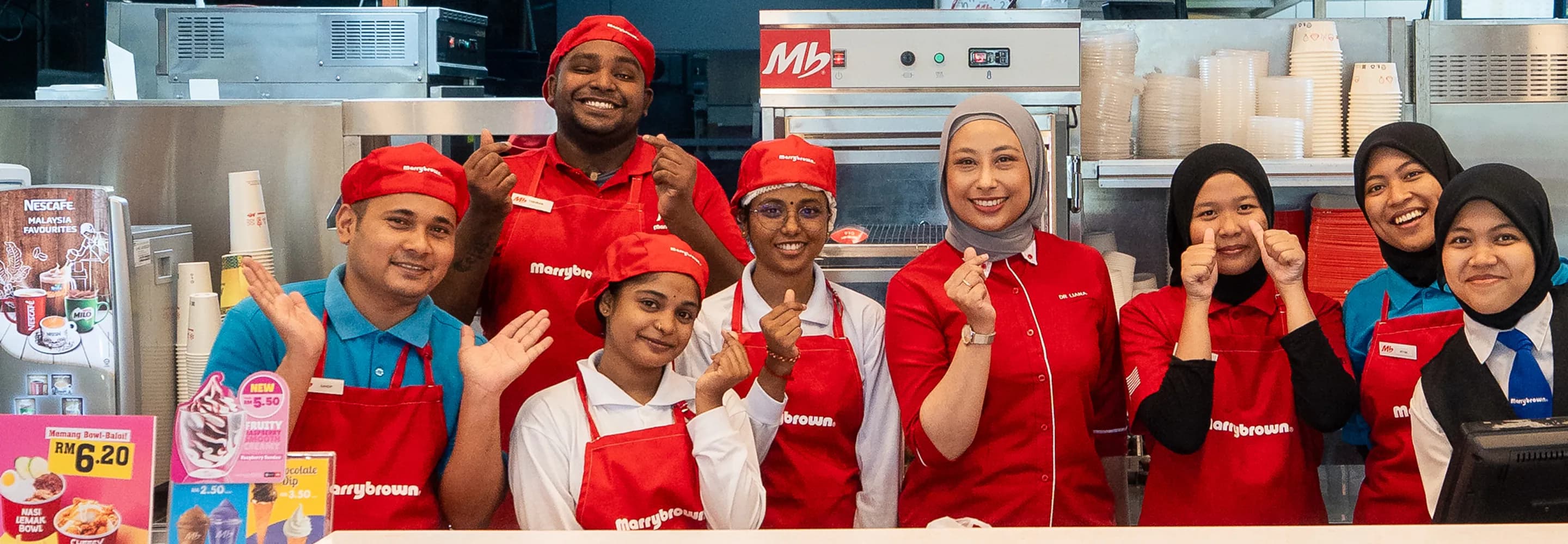
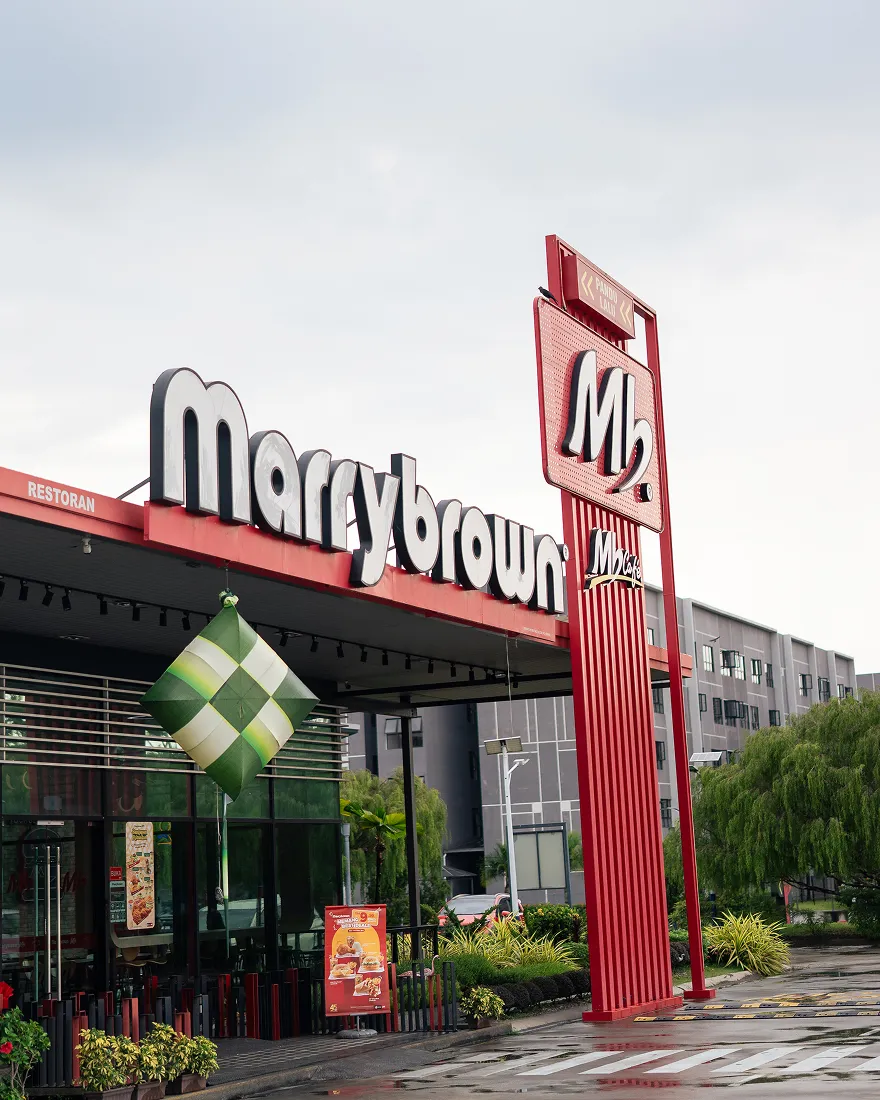
In 1981, Marrybrown opened its very first restaurant in Johor Bahru.
More than four decades later, the Malaysian homegrown brand has grown into one of the region's most recognisable quick-service restaurant (QSR) names, serving millions of customers in over 500 outlets spanning 17 countries across Asia, Africa, Europe and beyond.
Yet despite its international footprint, something has remained remarkably consistent.
Families still gather at Marrybrown for weekend meals. Students still stop by after school. Parents still introduce the brand to a new generation of children.
Wherever you visit a Marrybrown, customers have come to expect the same thing: a good quality meal at a reasonable price point and a family-oriented, welcoming and effortless dining experience.
That raises an interesting question: How do you preserve that experience while expanding across countries, cultures and customer expectations?
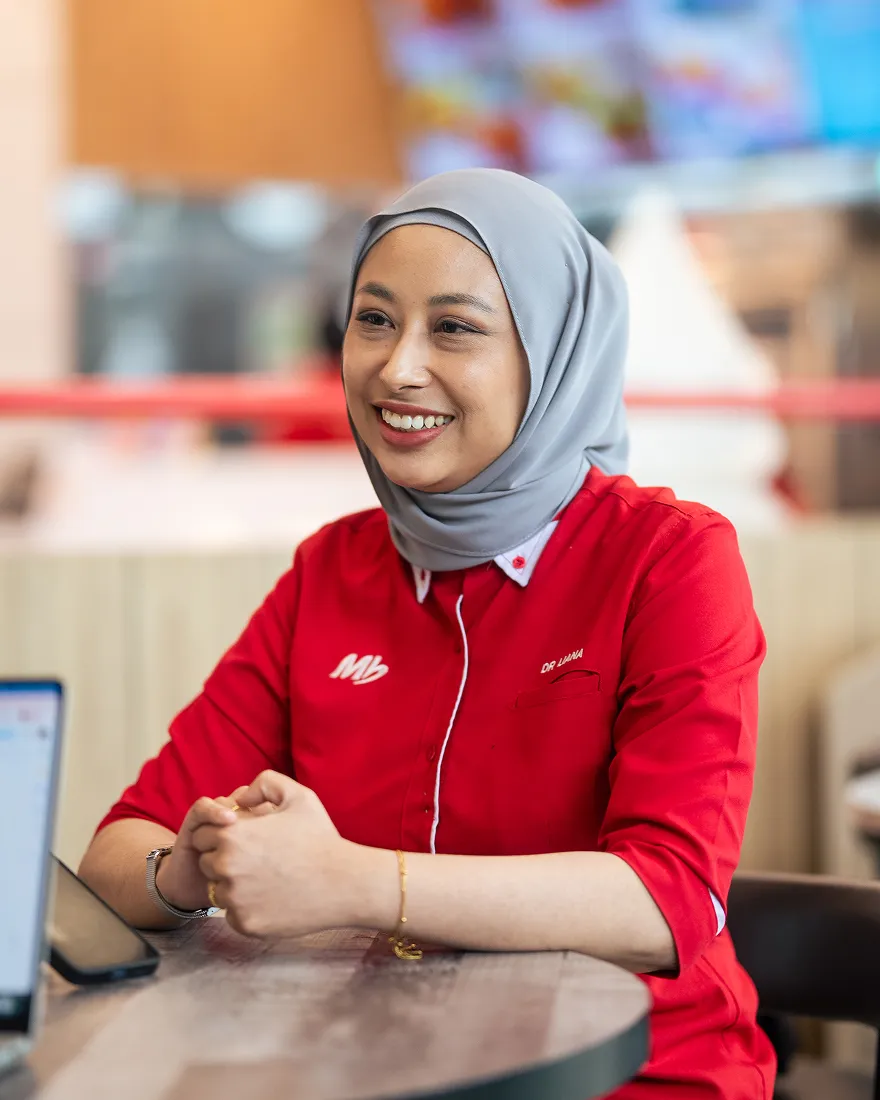
To find out, we sat down with Dr Noor Irliana (Dr. Liana), who leads technology initiatives across Marrybrown's operations in Malaysia and its international markets. Interestingly, people formed the heart of our conversation rather than technology.
Technology should make life easier, not more stressful
Ask most people about restaurant technology and they'll probably talk about AI, kiosks or automation. Dr. Liana starts somewhere much simpler - accessibility and convenience for all.
I believe that technology eases everybody rather than creates stress,
At Marrybrown, we have a diverse customer profile, whether they are the elderly, young ones or diners who are not IT savvy. We do a lot of R&D and testing to ensure that the journey is easy for everybody to order meals together and enjoy the experience.
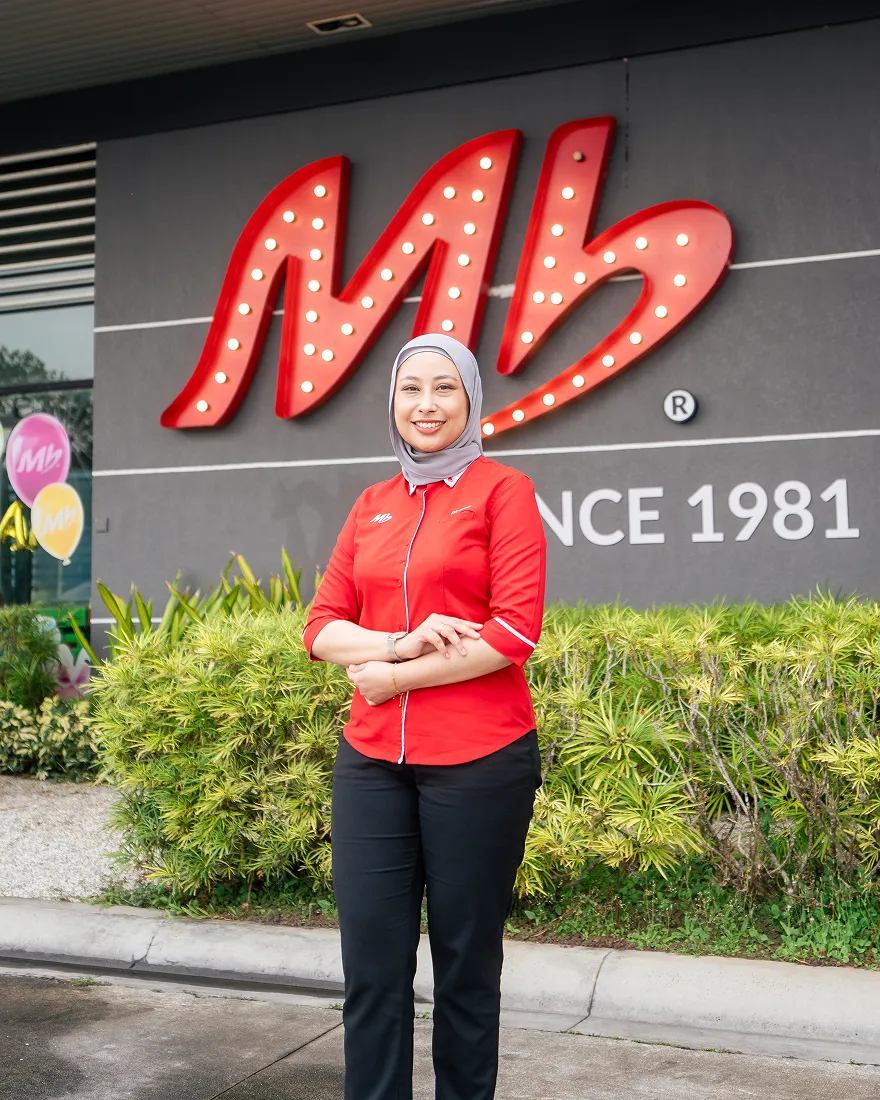
That philosophy shapes every project her team undertakes. Marrybrown serves an incredibly diverse customer base, from children ordering after school and working professionals grabbing lunch to families celebrating birthdays and elderly diners enjoying their favourite Ayam Goreng meals.
Successful technology does not end when new technology goes live
Rather than treating implementation as a finish line, Dr. Liana sees it as the start of an ongoing process.
Each and every outlet, each and every country has a different background and a different story behind it,
Their customer profiles are also not the same. We have to understand their culture and their preferences and that's why I have to put on the shoes of a customer, franchisee and a business owner.
Technology alone that you embed is not enough,
Training, communications and continuous support are very important. It doesn't matter how good your technology is, if you just embed it and leave it there, it will not be as simple as what we have today.
We also need to ensure that the decisions we make and the solutions we implement also bring a return on investment for the business,
But it is never about the hard sell and it is all about the experience. Upsells are possible when customers have more control time at the self-ordering kiosks as compared to the pressure they typically face when ordering at the counter.
The opportunities ahead and the importance of having a strong partner
Dr. Liana is optimistic for the future and how getting the best out of the technology at her disposal can help maintain the famous Marrybrown experience.
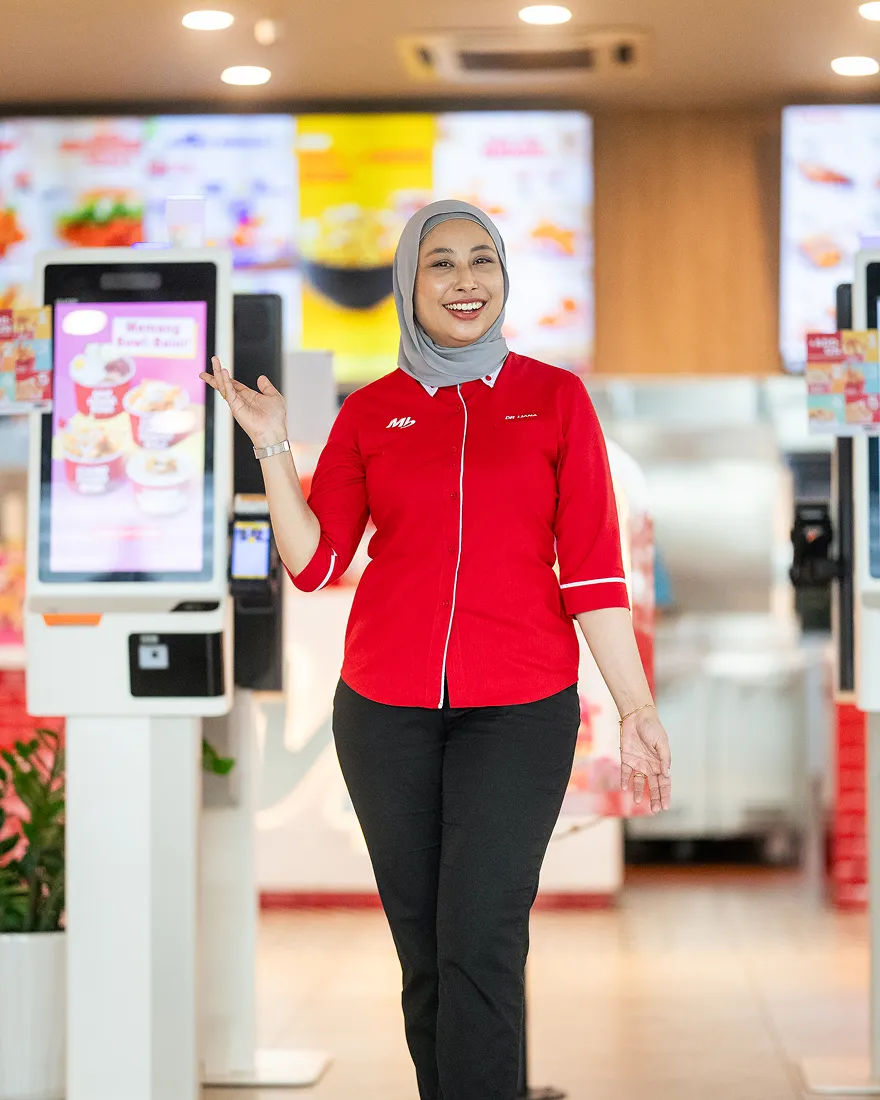
As early as five years back, diners in Malaysia had the preference to order via the counter. We now have self-ordering kiosks that helps us to elevate the experience and we can see the results. Orders over the counter took four or five minutes previously, while orders taken with the kiosks take lesser than two minutes now. It is good to have TabSquare go through this journey with us as they provide us with predictive analytics and more in addition to the kiosks.
For now and the future, looking into the next stage that technology can do is a part of the plan at Marrybrown. Components like predictive data analytics can provide a lot of intel for decision making. The human touch will definitely be there, but knowing that we are aligned with our direction is really important.
This conversation is part of TabTalks, a series presented by TabSquare that celebrates the people driving experiences behind restaurants across APAC through authentic storytelling.
Share it onRead other related stories